
This article is posted in collaboration with an outside partnership client. The opinions and information contained within do not necessarily represent Frontstretch and its staff.
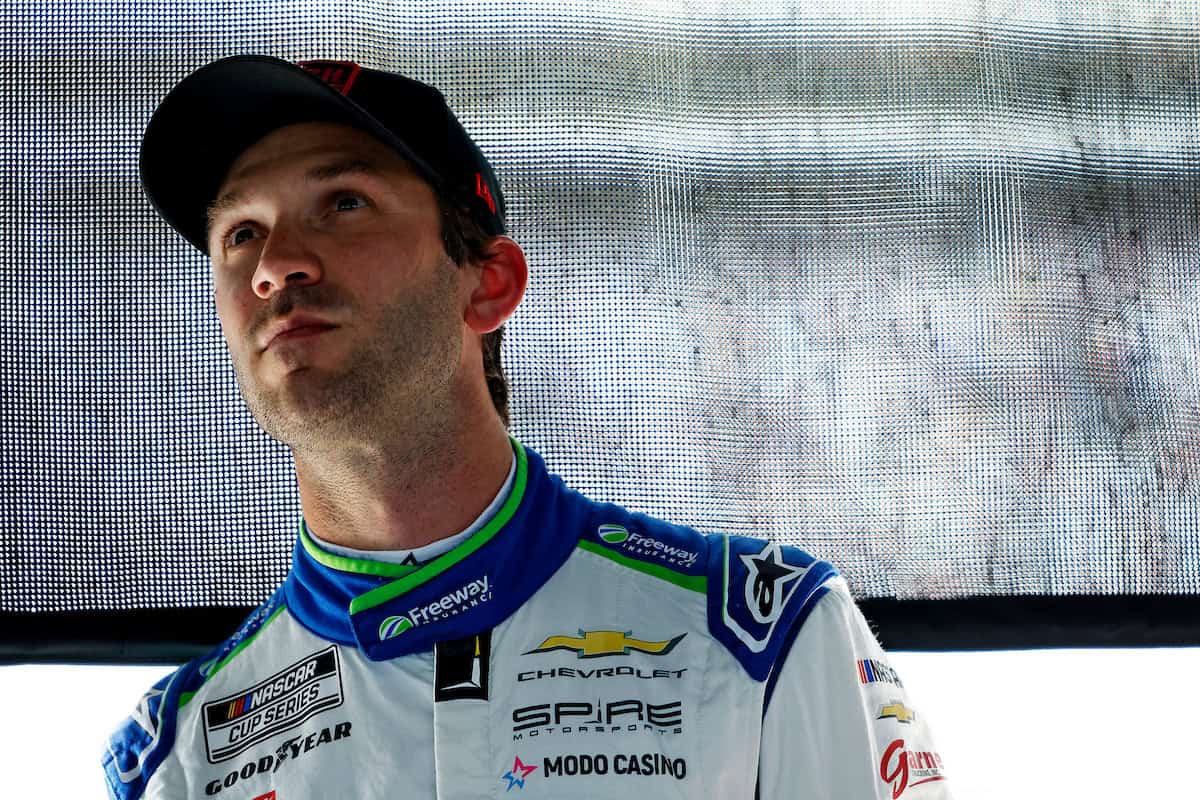
Daniel Suárez’s rain-shortened Coca-Cola 600 win did more than add another name to the 2026 winner list — it changed the tone of the regular season.
Charlotte is one of those races that can reshape how a team thinks about the weeks ahead. A crown jewel win gives a driver some sense of reassurance, changes the pressure inside the garage and forces everyone near the cut line to reassess where they stand.
Suárez did not simply survive a strange night; he capitalized on track position, timing and weather to leave Charlotte with one of the biggest results of the season. NASCAR called the race with 27 laps remaining, with Suárez ahead of Christopher Bell and Denny Hamlin.
Now comes the part of the schedule where the Chase picture can really start moving.
One Win Can Change a Team’s Entire Summer Mindset
A win in late May does not guarantee a deep postseason run, especially now that The Chase is back in effect. But it absolutely changes a team’s regular season approach.
For Suárez and his team, the next several weeks can be raced with a different mindset. They still need to chase points, stage results and momentum, but the win in Charlotte means that for now, they no longer have to treat every Sunday like a survival exercise.
Strategy calls become easier to defend. Crew chiefs can take calculated swings. Drivers can be aggressive without carrying the same desperation as a winless bubble team.
That is where the summer stretch becomes fascinating. NASCAR’s regular season is long enough for early form to fade, but short enough now that every missed opportunity starts to hurt.
Drivers with plenty of points can protect and build. Drivers further down in the standings may have to decide between chasing stage points or putting themselves in position to steal a victory.
Charlotte was a reminder that one race can flip the conversation. The next few weeks may show which teams can turn that kind of moment into lasting postseason strength.
The Next Stretch Will Reward Complete Teams
The summer schedule is not one single test. It is a series of very different exams.
Nashville, Michigan and Pocono can reward teams with speed, balance and clean execution. Those races tend to expose whether a team has real pace or is simply getting by on strategy and circumstance. You need track position, but you also need long-run strength and a car that responds as the track changes.
Then comes the variation. Sonoma gives road course drivers and versatile teams a chance to change their season. Atlanta can create drafting chaos. Daytona, sitting at the end of the regular season, is the kind of race that can either rescue a desperate team or completely ruin a comfortable points day.
NASCAR’s postseason field is set after the regular season finale at Daytona, with the Chase schedule beginning at Darlington.
That is why the next stretch cannot be treated like filler. It is where the Chase field starts to harden. A driver who stacks top 10s through June and July may not grab headlines every week, but that consistency can now be just as valuable as one dramatic win — if not more so.
On the other hand, a team that keeps giving away stage points or missing setups may find itself needing a miracle by late August.
The real contenders will be the teams that adapt quickly. Speed at one track type is not enough. The summer will reward the organizations that can bring competitive cars to intermediates, survive strategy-heavy races and avoid the kind of mistakes that turn a decent points day into a disaster.
The Odds Can Move Before the Standings Fully Catch Up
The standings tell one version of the Chase picture, but they are not always the fastest indicator of how perception is changing.
Odds can move quicker because they react to speed, track type, recent form and the way the upcoming schedule fits a driver’s strengths. A driver who unloads well at Michigan, qualifies near the front at Pocono or shows unexpected pace at Sonoma can shift the market before the points table fully reflects it.
According to Betting Scanner, Tyler Reddick’s current championship price around +350 reflects how quickly the market has separated him from the pack, while Denny Hamlin at roughly +550 and Kyle Larson and Ryan Blaney around +650 show that legal sportsbooks still see a tight group of contenders behind him.
The important part is not just who is favored. It is why those numbers can change so quickly.
NASCAR is not a stick-and-ball sport where one great team can impose itself the same way every week. Track type matters. Manufacturer strength matters. Pit crew execution matters. Qualifying matters. So does whether the next month gives a driver tracks that fit his profile or exposes weaknesses that have been hidden by a few strong finishes.
That is why the summer stretch is so dangerous for drivers living near the Chase cut line. A good two-race run can make a team look safe. A bad two-race run can put that same team right back into must-win territory.
Daytona Is the Deadline Nobody Wants to Depend On
Daytona is always tempting as a last-chance answer. It is unpredictable, chaotic and capable of producing a winner who was not part of the weekly contender conversation.
But no serious team wants to arrive there needing everything to break perfectly.
Superspeedway racing can create opportunity, but it can also take control out of a driver’s hands. One blocked run, one mistimed push or one crash ahead can end a season’s worth of work.
That is why the races before Daytona matter so much. The teams that use the summer well can enter the regular season finale with options. The teams that waste it may enter Daytona with desperation, if they are still alive for The Chase at all.
The 2026 Chase race will not begin when the postseason officially starts. It is already being shaped now, through every strategy call, every stage point and every track-type test between Charlotte and Daytona.
Suárez changed the conversation at Charlotte. The rest of the field now has the summer to answer.


Thanks for choosing to comment on this article. A name and email address are required to post a comment. The email address is not publicly visible or shared. Please keep in mind that comments are moderated according to our comment policy.