
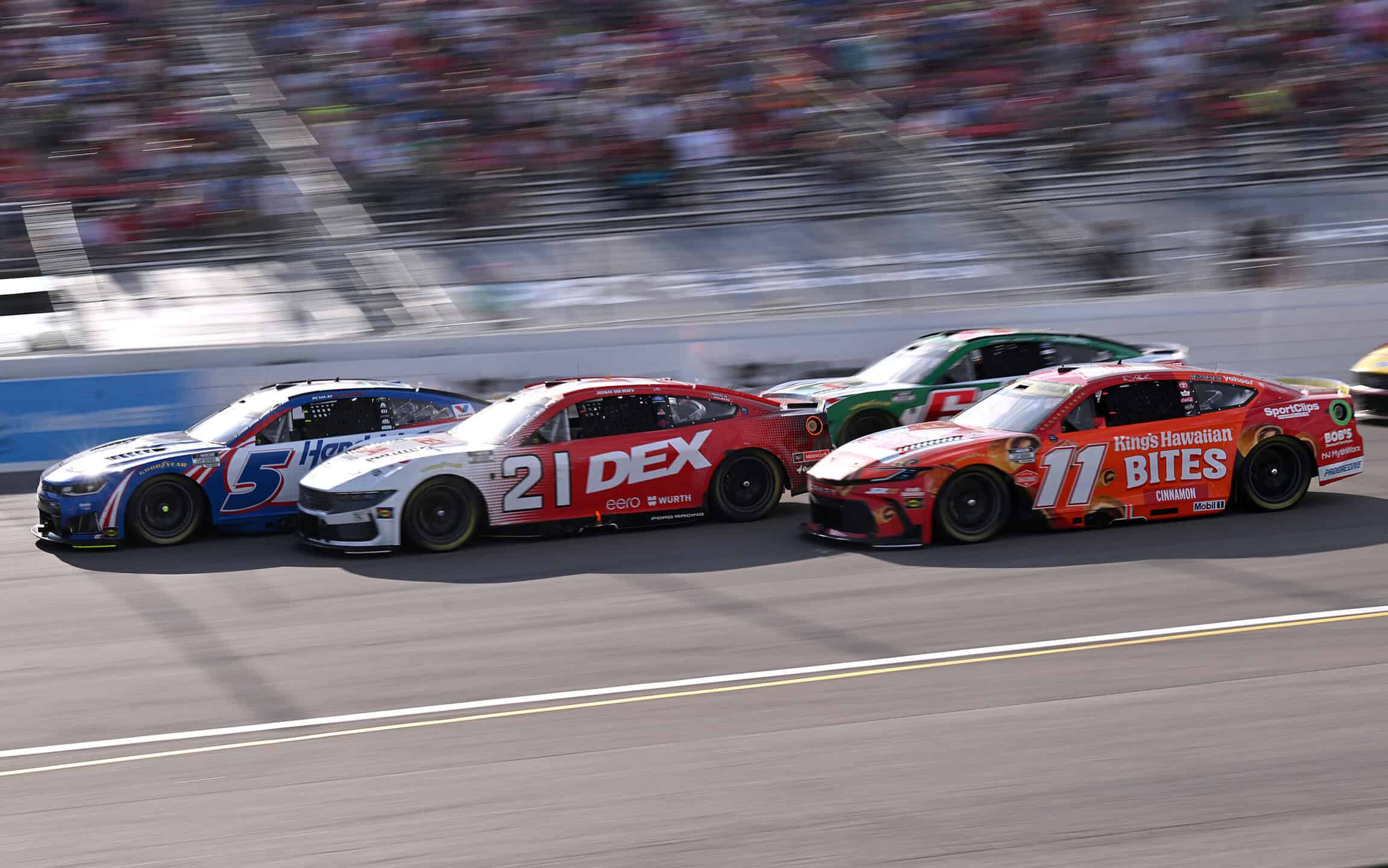
NASCAR kicked off the 2026 racing season with a new plan to try and bring back the core fanbase it had driven away.
The thought process was to let the drivers race and try and let the races develop a little more organically than they had in recent years. They pitched it by saying they had listened to the fans and were going to try and change a few things.
Hats off to the race control folks who, at least early in the year, did their best to follow the new mantra. At the Daytona 500, there were only five cautions, four of which were for cause. Three of them involved at least six cars. There were times when the caution could have come out and it stayed in the flagman’s back pocket. The following race in Atlanta had 10 cautions, but again, most of them involved large incidents.
But as the year has unfolded, it seems the old mindset is starting to creep back in. There have been several incidents in the last few races, especially this past weekend, where one car spun, perhaps made slight contact, but was able to continue. The flagman quickly had the flag out and the yellow lights went on when it really wasn’t necessary.
At World Wide Technology Raceway, there were 18 caution flags. Seven of them were single car incidents while five of them were two-car incidents. Yes, some of them involved brakes with debris, but many of them were spins with no or minimal contact and no debris.
We need to put the flag away again.
In addition, there have been a few incidents the last few weeks involving some situations where drivers clearly caused other drivers to wreck, and in some cases, ruined their races. These are situations where NASCAR needs to follow the local short track frame of mind. If you are involved in a wreck and you didn’t spin yourself trying to avoid contact, you go to the back for the subsequent restart. It is that simple. If you cost someone track position by driving like a jackass, you pay the price. It isn’t hard to police. Yes, there will be some judgment calls, but in the end, it is fair to the people involved.
While we are at it, the efforts to reduce caution laps have not gone very far to achieve their stated goal. The effort was noticeable this weekend when some of the cautions after just a handful or less of laps were just two or three. The 800-pound gorilla is still the stage break cautions. Five laps is simply too many when there is no clean-up on the race track and eight laps is ridiculous. There simply has to be progress in cutting those caution periods down to three laps.
The most important aspect of getting to where the drivers can race each other hard and know what the ramifications are is that there are no surprises or questions. As the championship hunts in the national series get closer to their finish line, the combatants have to know for sure how incidents will be judged. The titles could very well hang in the balance of race control calls and there doesn’t need to be anything questionable about the ramifications of decisions behind the wheel.
The only response should be “Hell Yeah!”


What is it that Mike Neff doesn’t do? Mike announces several shows each year for the Good Guys Rod and Custom Association. He also pops up everywhere from PRN Pit Reporters and the Press Box with Alan Smothers to SIRIUS XM Radio. He has announced at tracks all over the Southeast, starting at Millbridge Speedway. He's also announced at East Lincoln Speedway, Concord Speedway, Tri-County Speedway, Caraway Speedway, and Charlotte Motor Speedway.
A name and email address are required to post a comment. The email address is not publicly visible or shared. Please keep in mind that comments are moderated according to our comment policy.
Comments are listed in order from oldest to newest. Leave a comment