
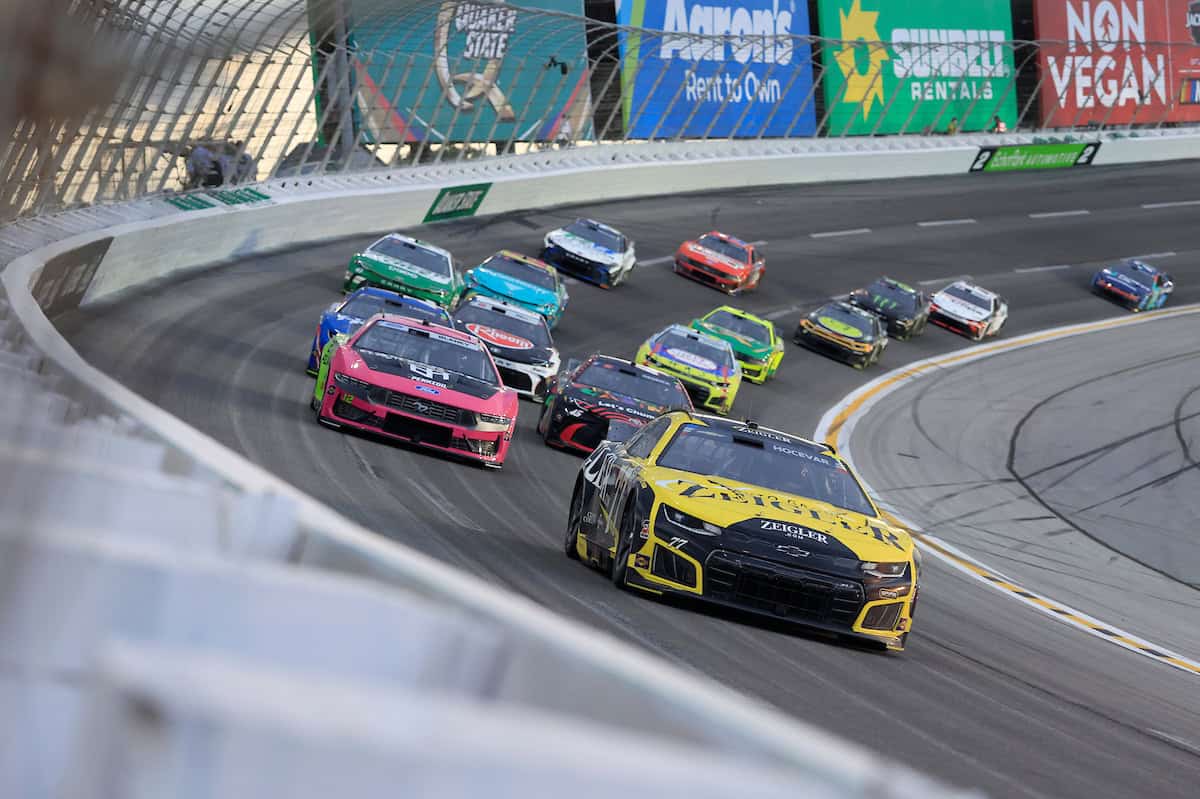
An off-week for NASCAR presents drivers and teams the opportunity to slow down and enjoy a much-needed break from the day-to-day grind of the NASCAR schedule, which runs from February to November with 36 races across 38 weekends.
The 2026 NASCAR Cup Series season alone has seen so many twists and turns, from Tyler Reddick becoming the first driver in NASCAR history to win the first three races of a season to his 23XI Racing boss Denny Hamlin coming back from a 129-point deficit to ascend to the top of the points on the strength of his own three-race winning streak.
When the checkered flag waved at Indianapolis Motor Speedway a little over one week ago, future Cup superstar Corey Heim was celebrating his second win in his 15th start in NASCAR’s top division.
While many were left buzzing after Heim’s impressive victory, the topic of stages was once again a point of contention heading into the off-week.

In both stages at Indianapolis, the caution flag appeared with fewer than five laps remaining, leading to the first stage ending in a one-lap shootout, with the second stage ending under caution.
The common agreement post-Indianapolis was that stage breaks, especially at tracks longer than 2 miles in length, take too long and take away the chance to see more green-flag racing. Two days after the Brickyard 400, Mike Forde, NASCAR’s VP of racing communications, shared on the “Hauler Talk” podcast that NASCAR officials began discussions during the Brickyard 400 about trying to tighten yellow flags during races.
“If NASCAR fans are angry at the length of caution periods, I can promise you that NASCAR matches that displeasure,” Forde said. “Stage breaks are a big topic of conversation. We hear it, and we see it.”
It didn’t take NASCAR officials long to announce changes to how the stage breaks will operate across its three national series for the remainder of the 2026 season.
On Aug. 6, NASCAR announced procedural changes to stage breaks that go into effect for the national series beginning with this weekend’s events at Iowa Speedway.
The new stage-break procedure says that if a caution comes out inside of 10 laps remaining in a stage, that caution flag marks the official end of the stage. When the race leader comes back by the start/finish line the next time around, the green-and-white-checkered flag and the caution flag will be displayed. From there, stage points will be awarded as they normally would.
These changes mark the first major change the sanctioning body has made to stages since 2023, when NASCAR briefly eliminated stage breaks for all road courses before bringing them back later that season. One of the biggest question marks surrounding this change is how it will affect the differing strategies of drivers that are comfortably locked into The Chase versus those below the cut line needing all the stage points they can get.

Moving forward, any time that a caution appears within the final 10 laps of either the first or second stage, drivers outside the top 10 at the moment of caution won’t get the chance to pit and possibly steal stage points in a five-laps-or-less dash to the end of the stage.
While a one-lap shootout like in stage one of the Brickyard 400 can make for exciting racing, it can also lead to drivers who run up front on a regular basis having to choose between earning stage points or risk out on being mired back in traffic when the win is up for grabs.
Now, all eyes turn to seeing how these changes affect the racing as the national series near their respective Chases.


Not sure mid season is the time for changes.